Wood Like Tile Flooring — 2026 Guide
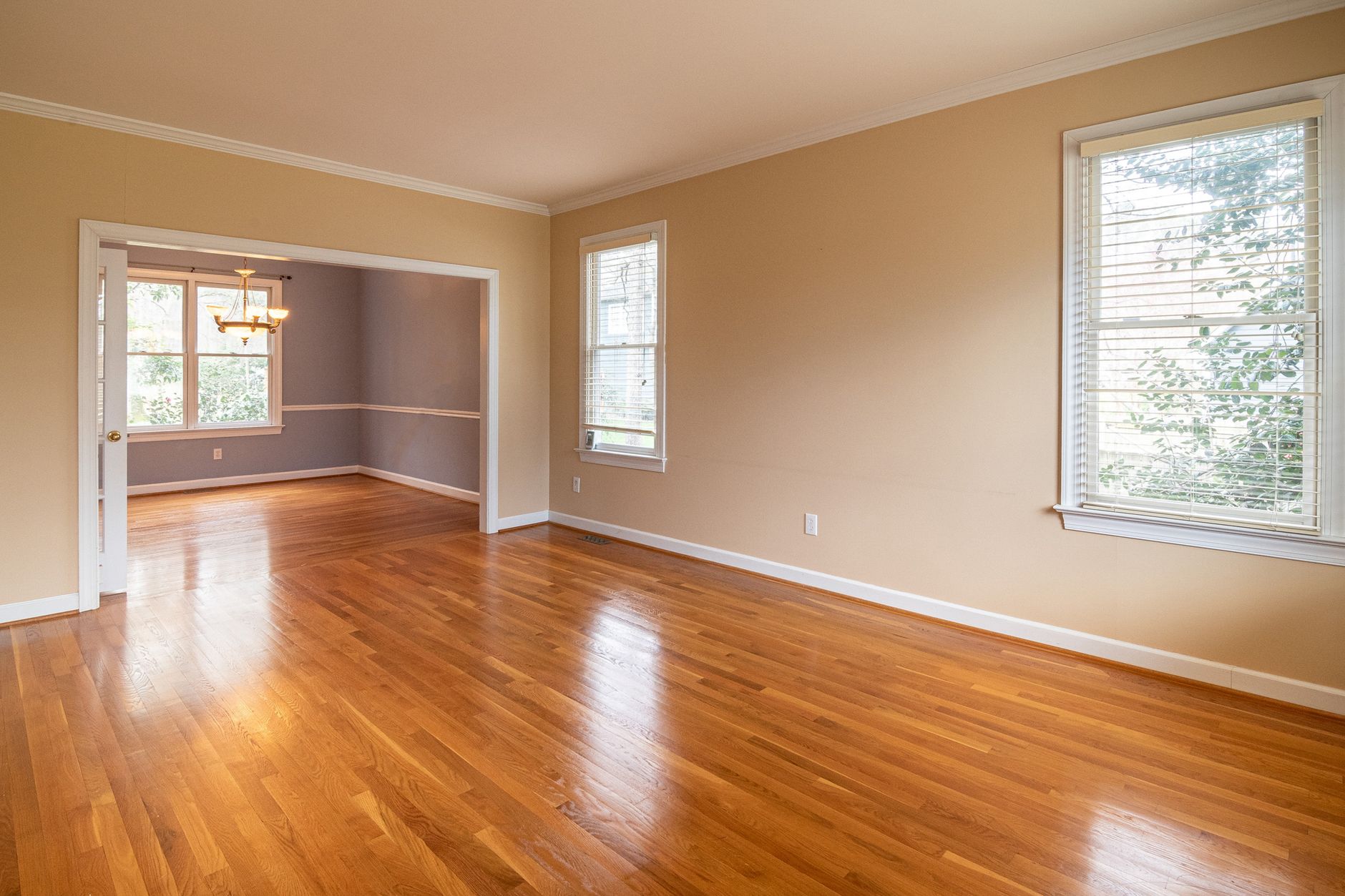
Wood Like Tile Flooring: What It Costs and What to Know
Homeowners spent $8.3 billion on new flooring in 2025, and wood like tile flooring accounted for roughly 12 % of that market. Nationally the material and installation run between $7 per sq ft on the low end and $15 per sq ft for premium options, especially for cheap flooring near me, with a typical project landing around $11 per sq ft.
Flooring Cost Breakdown (National Averages)
Pricing is driven by three main buckets: labor, materials, and any required permits. Labor reflects the time skilled installers need to lay the product, prep the subfloor, and finish the seams. Materials include the tile‑styled planks, underlayment, and transition pieces. Permits are rare for interior flooring but can appear in historic districts or multi‑family conversions. Below is a snapshot of what a typical 500‑sq‑ft job looks like across the country.
| Cost Factor | Low End | Average | High End |
|---|---|---|---|
| Labor | $2,500 | $4,000 | $5,500 |
| Materials / parts | $2,000 | $3,500 | $5,000 |
| Permits / fees | $0 | $150 | $300 |
| Total | $4,500 | $7,650 | $10,800 |
A low‑end job might use a basic laminate that mimics wood grain, a popular choice for cheap flooring near me, while a high‑end install could feature engineered stone with authentic wood‑tone embossing and a premium underlayment for sound control.
Flooring Costs by Region and Major City
Because labor rates and material mark‑ups vary, the same 500‑sq‑ft project can look very different from coast to coast, especially for those searching for cheap flooring near me. Below are four representative metros, each adjusted with the regional multipliers outlined in the brief.
New York City, NY (Northeast) – The national average total of $7,650 climbs by roughly 25 %, landing near $9,560. Expect labor to be about $5,000 and materials around $4,200., Chicago, IL (Midwest) – The Midwest sits at the national baseline, so a typical Chicago job stays close to $7,650. Labor usually runs $4,000, materials $3,400, and permits are negligible., Atlanta, GA (South) – Projects in the South are about 12 % cheaper than the national average. That puts a standard Atlanta install at roughly $6,720. Labor may be $3,500, materials $2,900, and any local fees around $120., and Phoenix, AZ (Mountain West) – The Mountain West mirrors the national average, so a Phoenix homeowner would also see a total near $7,650. Labor often lands at $4,050, materials at $3,300, with a modest permit fee of $150 if required..
These figures assume a mid‑range product and a professional crew. Choosing a luxury brand or a DIY approach will shift the numbers accordingly.
What Affects Flooring Pricing the Most
The biggest driver is the material you select. Basic composite planks can be purchased for $2 per sq ft, while high‑end engineered options push $9 per sq ft. Installation labor follows a similar curve; a seasoned installer in a high‑cost city may charge $9 per sq ft, whereas a contractor in a lower‑cost market might be happy with $5 per sq ft.
Subfloor condition also matters. If you need to replace damaged plywood, that adds roughly $1.20 per sq ft in labor and material. Finally, any special finishes, such as a waterproof membrane for basements, can tack on an extra $0.80 to $1.50 per sq ft.
How to Choose a Licensed Flooring Pro
First, verify the contractor holds a valid state‑issued license for flooring installation. The license number should be easy to find on the company’s website or a state regulator portal. Next, ask for proof of general liability insurance and workers’ compensation; a reputable pro will provide certificates without hesitation.
Look for industry affiliations such as the National Wood Flooring Association (NWFA) or the Tile Council of North America (TCNA). Those memberships signal ongoing training and adherence to best practices.
Red flags include a refusal to give a written estimate, pressure to sign a contract on the spot, or a price that seems dramatically lower than the national range of $4,500 – $10,800 for a 500‑sq‑ft job.
Collect at least three detailed quotes, each breaking down labor, material, and any ancillary costs. Compare not just the bottom line but the scope of work, some contractors may include underlayment while others treat it as an extra.
How to Get Free Flooring Quotes
Start by gathering photos of the room, noting the square footage and any subfloor concerns. Use those details on reputable quote‑matching sites. Fill out the short form, and within 24‑48 hours you’ll receive multiple offers from vetted, licensed installers.
Take the time to read reviews, ask each pro how they handle warranty claims, and confirm that the quoted price includes removal of old flooring if that’s part of your plan.
Ready to get free flooring quotes? Compare licensed local contractors at HaveQuote.
Frequently Asked Questions About Flooring
How much does flooring cost on average in the U.S.?
The typical 500‑sq‑ft wood like tile flooring project runs between $4,500 and $10,800, with most homeowners landing near $7,650.
What factors change the price the most?
Material selection can swing the cost by $2 – $9 per sq ft, labor rates vary by $4 – $9 per sq ft, and subfloor repairs add roughly $1.20 per sq ft.
How many quotes should I get?
Aim for at least three written estimates. That gives you enough data to spot outliers and negotiate a fair price.
How do I know a flooring pro is licensed and insured?
Ask to see a copy of the state license number and insurance certificates. Verify the license through the state’s contractor board website and confirm the insurance covers both liability and workers’ compensation.
Is it cheaper in some parts of the country?
Yes. The South typically runs 10 %‑15 % below the national average, while the Northeast can be 20 %‑30 % higher. The Midwest and Mountain West usually align with the national baseline.
HaveQuote Editorial Team
This article was researched and published by the HaveQuote editorial team. When you request quotes, you are connected with independent local contractors — not HaveQuote staff — who can discuss project scope and pricing for your area.