Hvac IN GA — 2026 Guide
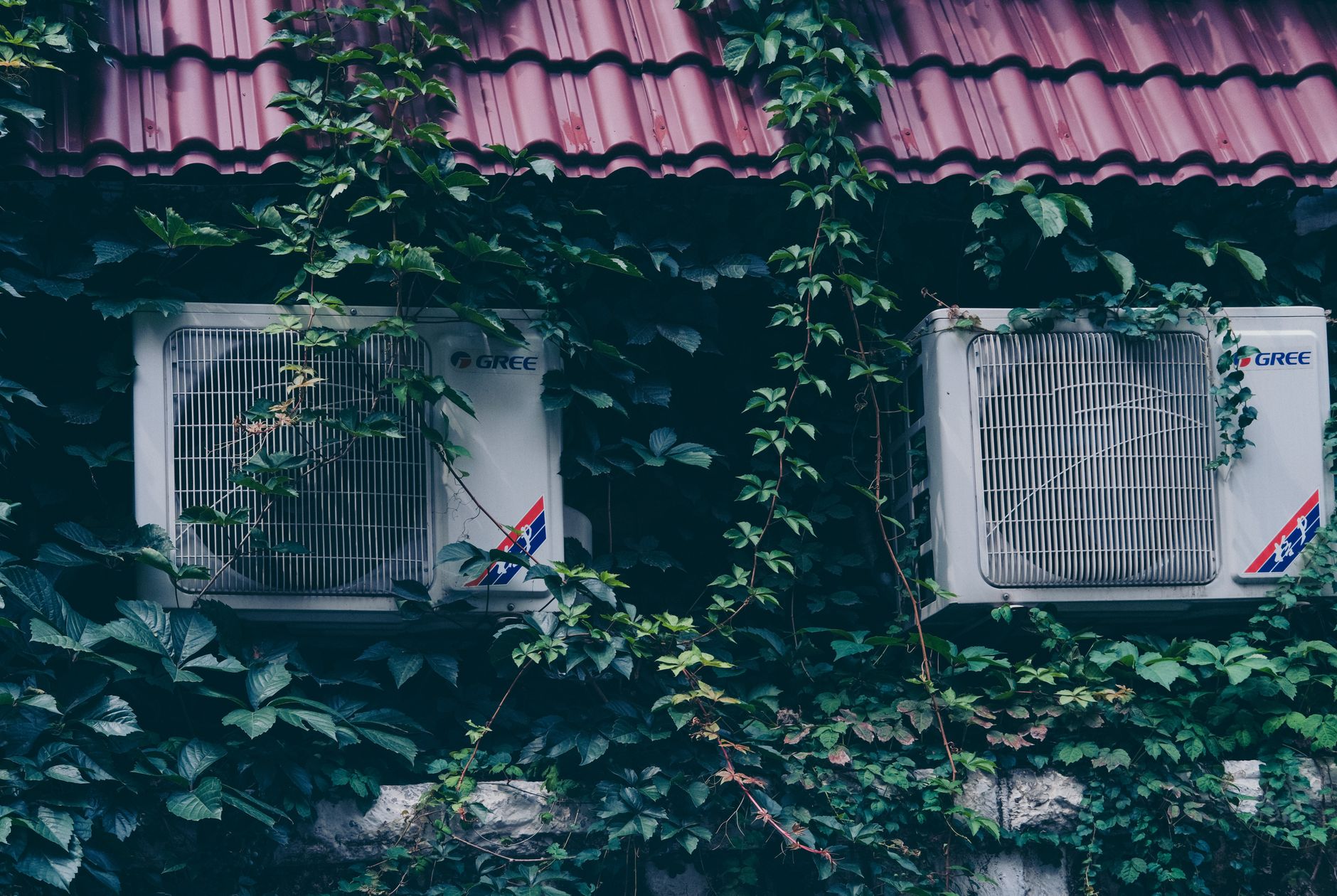
Hvac IN GA: What It Costs and What to Know
Homeowners across the United States spent roughly $15.2 billion on new HVAC systems in 2025, and the average bill today sits between $3,200 and $12,500 depending on size, efficiency, and location. When unexpected furnace repairs are needed, those costs can quickly add to the overall budget. Many homeowners also consider installing an hvac uv light system to enhance air cleanliness, which can be integrated during the same service call. That range reflects everything from a modest single‑zone air conditioner in a small rental to a high‑efficiency heat‑pump package for a sprawling suburban home.
HVAC Cost Breakdown (National Averages)
Pricing is never random; three major buckets drive the final number. Labor accounts for the bulk of the expense because certified technicians must size, install, and test each component. Materials and parts include the furnace, air‑conditioner, ductwork, thermostats, and any needed upgrades, and routine furnace repairs are often covered under the service plan. Finally, permits and local fees add a predictable surcharge that varies by municipality but shows up on every invoice.
| Cost Factor | Low End | Average | High End |
|---|---|---|---|
| Labor | $1,200 | $2,400 | $4,000 |
| Materials / parts | $1,500 | $3,200 | $6,800 |
| Permits / fees | $150 | $350 | $800 |
| Total | $3,200 | $5,950 | $12,500 |
Even the low‑end scenario still includes a licensed professional, a warranty, and the required city permit. The high‑end figure usually reflects a high‑SEER heat pump, custom ductwork, and a full‑home zoning system.
HVAC Costs by Region and Major City
Regional pricing follows predictable patterns. In the Northeast, labor rates are typically 25 % above the national average because of higher living costs and stricter building codes. That pushes a standard 3‑ton system in Boston from $5,950 to roughly $7,440. On the West Coast, especially in Seattle, the multiplier climbs to 20 %, nudging the same installation to about $7,140. The South enjoys the opposite advantage; Atlanta’s market sits 12 % below the national average, so a comparable job costs around $5,240. The Midwest holds steady at the national midpoint, making Chicago’s average price sit right at $5,950. Finally, the Mountain West, with cities like Denver, mirrors the national average, so a homeowner there also sees a total near $5,950.
These figures assume a mid‑range, 3‑ton unit with modest duct modifications. Adding a smart thermostat adds roughly $250, while upgrading to a dual‑fuel system can add $1,600 to the final bill.
What Affects HVAC Pricing the Most
The biggest driver is equipment efficiency. A system rated at SEER 18 costs about $2,200 more than a baseline SEER 13 model, but the energy savings often recoup that premium within five to seven years. Ductwork is the second factor; repairing or replacing old ducts can add $1,000‑$3,000 depending on square footage. Third, the complexity of the installation—whether a home has a slab foundation, a finished attic, or limited access—can swing labor costs by $500‑$1,200. Including an hvac uv light system typically adds a modest material cost, but many find the health benefits justify the expense. Finally, local permit fees, which range from $150 in many Midwestern towns to $800 in dense urban centers, add a fixed line item that most homeowners overlook until the invoice arrives.
How to Choose a Licensed HVAC Pro
Start by confirming that the contractor holds a current state license and is registered with the Better Business Bureau, especially if you anticipate furnace repairs down the line. A reputable pro will carry liability insurance, workers’ compensation, and a manufacturer’s certification such as NATE or ACCA. Ask for proof of both; a legitimate business will provide it without hesitation. Red flags include a refusal to give a written estimate, pressure to sign a contract on the spot, or a price that seems dramatically lower than the market—those often signal unqualified labor or sub‑par parts. Most experts recommend collecting at least three detailed quotes. Compare line‑items, not just the grand total, to see where each company adds value or cuts corners.
How to Get Free HVAC Quotes
The quickest way to gather estimates is to use an online comparison platform that matches you with local, fully vetted contractors. You’ll fill out a short form describing your home size, current system, and any specific goals like higher efficiency or smart‑home integration. Within a day, you’ll receive multiple quotes that you can review side‑by‑side. This approach saves time, eliminates cold calls, and ensures every contractor is licensed and insured.
Ready to get free hvac quotes? Compare licensed local contractors at HaveQuote.
Frequently Asked Questions About HVAC
How much does hvac cost on average in the U.S.?
The typical installation falls between $3,200 and $12,500, with an average of about $5,950 for a mid‑range, 3‑ton system that includes standard ductwork and a basic thermostat.
What factors change the price the most?
Equipment efficiency can add $2,200 for a high‑SEER unit. Duct repairs range from $1,000 to $3,000, and complex installations may increase labor by $500‑$1,200. Permit fees contribute an additional $150‑$800.
How many quotes should I get?
Three detailed quotes give you enough data to compare line‑items, verify licensing, and negotiate a fair price.
How do I know a hvac pro is licensed and insured?
Ask for a copy of the state license and proof of liability insurance and workers’ compensation. Reputable contractors will also display certifications from NATE, ACCA, or the equipment manufacturer.
Is it cheaper in some parts of the country?
Yes. The South typically runs 10‑15 % below the national average, the Midwest aligns with the average, the Mountain West stays near the average, the West Coast is 15‑25 % higher, and the Northeast sits 20‑30 % above.
Related Articles
HaveQuote Editorial Team
This article was researched and published by the HaveQuote editorial team. When you request quotes, you are connected with independent local contractors — not HaveQuote staff — who can discuss project scope and pricing for your area.