Home Addition Contractor — 2026 Guide
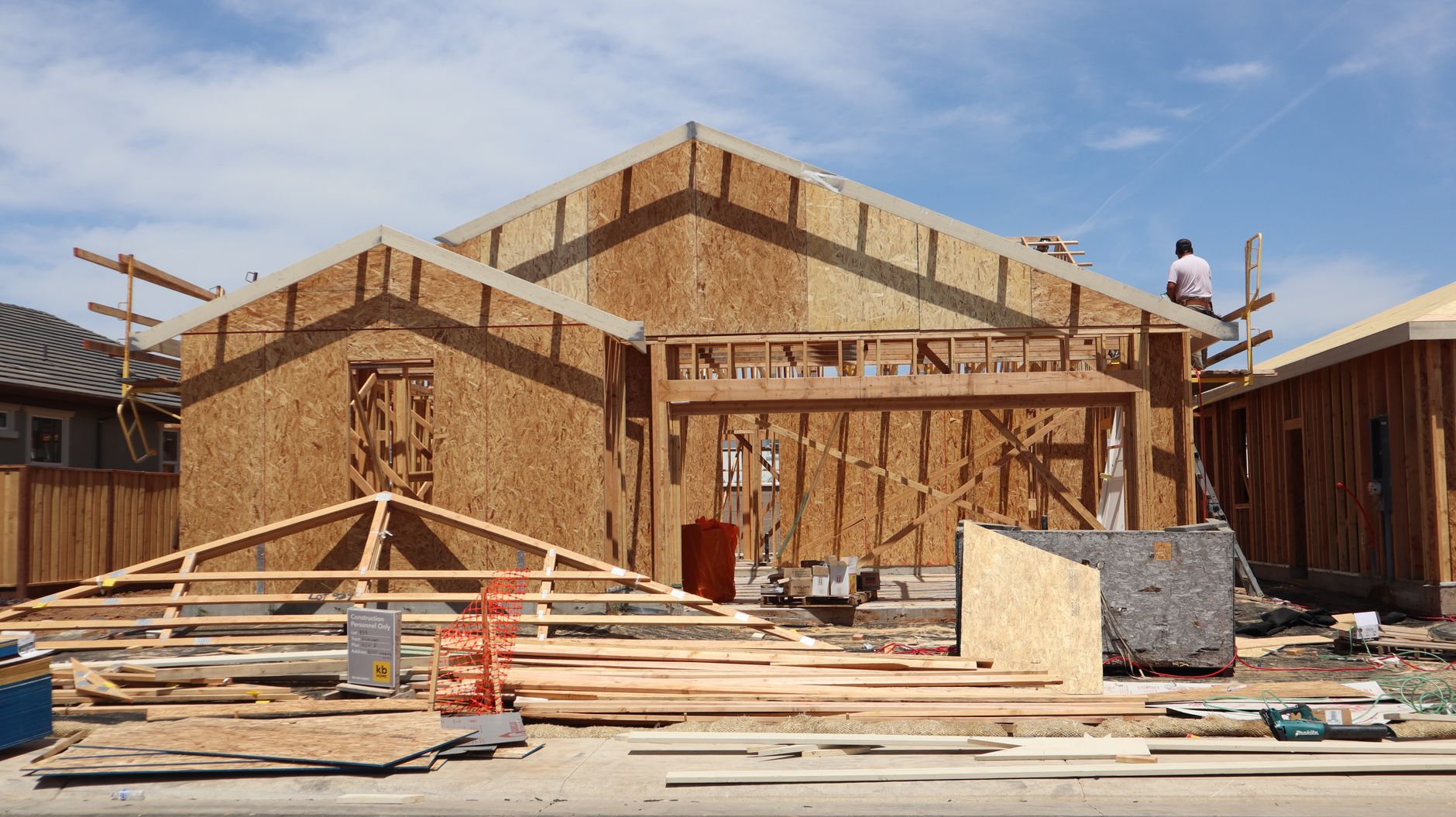
Home Addition Contractor: What It Costs and What to Know
Home addition projects typically run between $25,000 and $70,000 across the United States. The exact price depends on size, materials, and local permitting fees. If your project involves removing existing structures, you’ll also need to coordinate with demolition contractors early in the process to avoid delays.
Home Addition Cost Breakdown (National Averages)
A home addition contractor will factor labor, materials, and permits into every estimate. Labor often represents the biggest slice of the budget, while high‑end finishes can push the total toward the upper end of the range. Permitting fees vary by municipality but usually add a few thousand dollars to the final bill.
| Cost Factor | Low End | Average | High End |
|---|---|---|---|
| Labor | $12,000 | $22,000 | $35,000 |
| Materials / parts | $8,000 | $15,000 | $25,000 |
| Permits / fees | $2,000 | $5,000 | $8,000 |
| Total | $25,000 | $45,000 | $70,000 |
Home Addition Costs by Region and Major City
The national average sits at $45,000, but regional multipliers create noticeable differences. In New York City, the Northeast multiplier of 25 % lifts the average to roughly $56,000. Chicago, representing the Midwest, stays close to the $45,000 benchmark. Atlanta benefits from a 12 % South discount, bringing the typical project to about $40,000. Phoenix, in the Mountain West, aligns with the national average, also hovering near $45,000. These figures illustrate how location can add or subtract several thousand dollars from a homeowner’s budget.
What Affects Home Addition Pricing the Most
Labor rates drive the highest dollar amounts; a skilled crew in a high‑cost metro can charge $70 per hour, while a contractor in a lower‑cost area may bill $45 per hour. Materials also swing the total—opting for engineered wood flooring at $8 per square foot versus premium hardwood at $15 per square foot adds thousands. Permit fees, though smaller, can jump from $2,000 in a small town to $8,000 in a dense urban center. Finally, the scope of work—whether you’re adding a 200‑square‑foot bedroom or a 500‑square‑foot second story—determines how many labor hours and material units are required. Working with reputable demolition contractors can prevent unexpected site‑clearance costs that might otherwise inflate your addition budget.
How to Choose a Licensed Home Addition Pro
Start by confirming that the contractor holds a valid state license and carries general liability insurance of at least $1 million. Look for certifications from the National Association of Home Builders, which signal a commitment to industry standards. Ask for references from recent projects; a reputable pro will gladly share contact information. Collect at least three detailed estimates, and compare the line items rather than just the bottom line. Beware of contractors who quote dramatically lower prices without breaking down labor, materials, and permits.
How to Get Free Home Addition Quotes
Reach out to several contractors online or by phone and describe the square footage, desired rooms, and any special finishes. Provide a floor plan if you have one, and ask each pro to deliver a written estimate that includes labor, material costs, and permit fees. Review the quotes side by side to spot any missing pieces before you decide.
Ready to get free home addition quotes? Compare licensed local contractors at HaveQuote.
Frequently Asked Questions About Home Addition
How much does home addition cost on average in the U.S.?
Nationally, homeowners spend between $25,000 and $70,000 for a typical addition, with $45,000 representing the midpoint.
What factors change the price the most?
Labor rates, material selections, and permitting fees have the biggest impact. For example, choosing premium stone countertops can add $5,000 to a $45,000 project.
How many quotes should I get?
Three detailed quotes give you enough data to compare line items and negotiate a fair price.
How do I know a home addition pro is licensed and insured?
Ask to see a copy of the state contractor’s license and a certificate of insurance that lists at least $1 million in coverage.
Is it cheaper in some parts of the country?
Yes. The South typically runs 10 % to 15 % below the national average, while the Northeast can be 20 % to 30 % higher.
Related Articles
HaveQuote Editorial Team
This article was researched and published by the HaveQuote editorial team. When you request quotes, you are connected with independent local contractors — not HaveQuote staff — who can discuss project scope and pricing for your area.