Hardwood Flooring Installation Cost — 2026 Guide
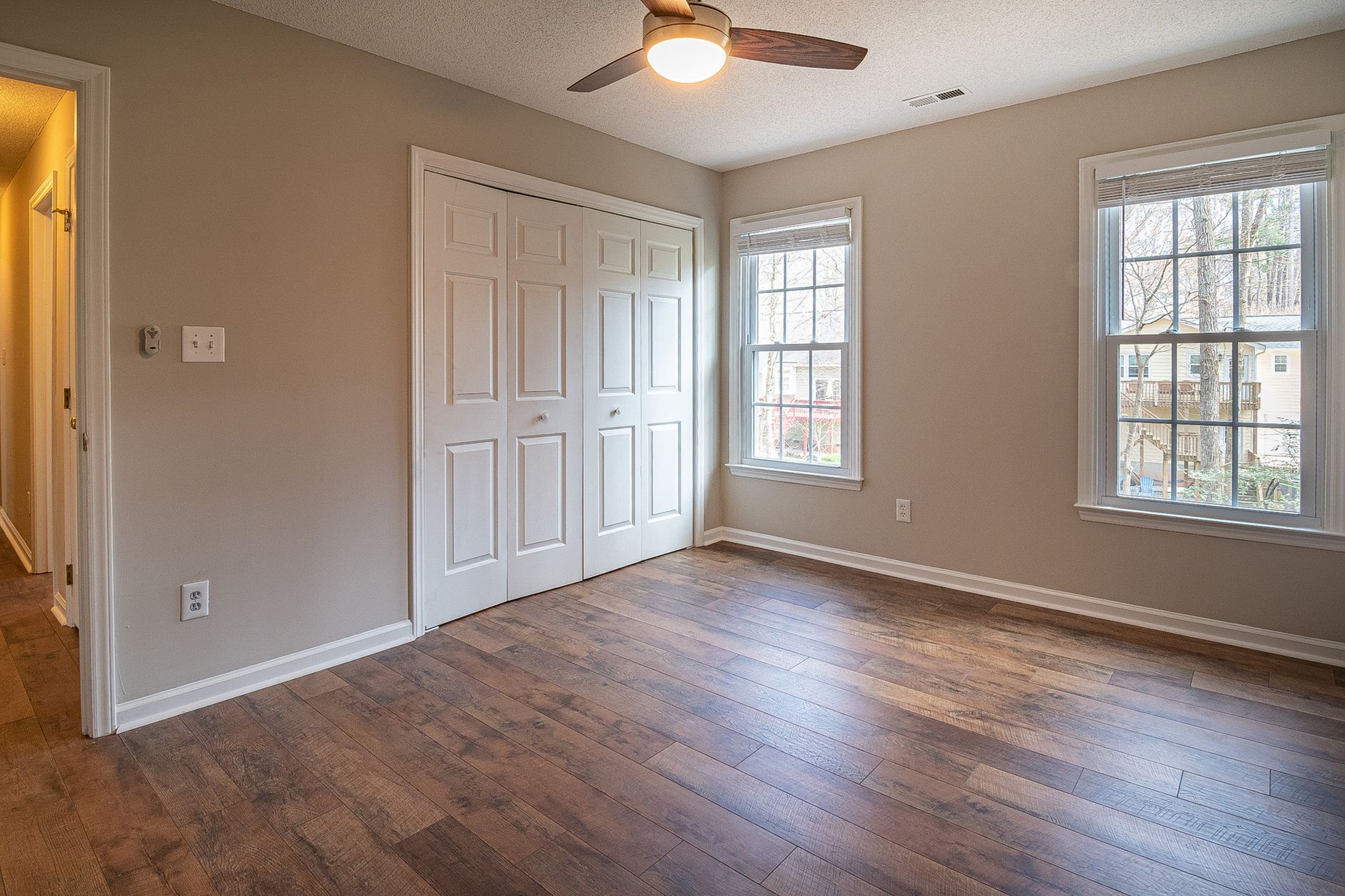
Hardwood Flooring Installation Cost: What It Costs and What to Know
On average, hardwood flooring installation cost runs between $5 and $15 per square foot across the United States in 2026, though luxury vinyl flooring installation often falls in a similar price range. Homeowners often consider hardwood flooring for stairs as part of the same project, especially when seeking a cohesive aesthetic throughout the house. A typical 1,000‑square‑foot home will therefore see a bill anywhere from $5,000 to $15,000 depending on material, labor, and regional factors.
Flooring Cost Breakdown (National Averages)
Understanding the line items that make up the total price helps you spot where you can trim expenses without sacrificing quality. Labor, materials, and any required permits or fees are the three biggest buckets. Below is a realistic snapshot of what most homeowners encounter.
| Cost Factor | Low End | Average | High End |
|---|---|---|---|
| Labor | $2.00 / sq ft | $3.50 / sq ft | $5.00 / sq ft |
| Materials / parts | $3.00 / sq ft | $5.00 / sq ft | $10.00 / sq ft |
| Permits / fees | $0 | $150 | $500 |
| Total | $5.00 / sq ft | $9.00 / sq ft | $15.00 / sq ft |
A low‑end project might involve a basic oak board, minimal subfloor prep, and no permits, landing you close to $5 per square foot, comparable to many luxury vinyl flooring installation quotes. The high‑end scenario could include exotic walnut, extensive leveling, and a full removal of existing carpet, pushing the total toward $15 per square foot. If the job also includes hardwood flooring for stairs, expect an additional 10‑15% markup to cover the specialized cuts and support needed, similar to the extra cost sometimes seen with luxury vinyl flooring installation on staircases.
Flooring Costs by Region and Major City
Regional price multipliers shift the national average up or down. The Northeast typically adds 20‑30 %; the West Coast adds 15‑25 %; the South subtracts 10‑15 %; the Midwest stays near the average; the Mountain West also stays near the average. Applying those adjustments to a 1,000‑square‑foot project yields the following city‑specific totals.
New York, NY (Northeast) – $11,500 for a standard installation. The higher labor rates and premium material sourcing in the region drive the cost about 25 % above the national average., Chicago, IL (Midwest) – $9,000 for the same square footage. Labor and material costs track closely with the national average, keeping the price stable., Atlanta, GA (South) – $8,000 for a 1,000‑sq‑ft job. Lower labor costs and a competitive material market shave roughly 12 % off the baseline., and Phoenix, AZ (Mountain West) – $11,000 for a comparable project. Although the Mountain West sits near the average, Phoenix’s growing demand for high‑end hardwood nudges the price a few percent higher..
These figures illustrate why a homeowner in Dallas might see a lower bill than a counterpart in Boston, even when both choose the same wood species.
If the job also includes hardwood flooring for stairs, expect an additional 10‑15 % markup to cover the specialized cuts and support needed.
What Affects Flooring Pricing the Most
Material grade is the single biggest driver. A basic maple board can be purchased for $3 per square foot, while a reclaimed Brazilian cherry can cost $12 or more. Labor follows closely; a certified installer in a high‑cost metro commands $5 per square foot, whereas a contractor in a lower‑cost region may charge $2.50. Subfloor preparation adds hidden costs—removing old carpet, leveling joists, or installing a moisture barrier can add $1 to $3 per square foot. Custom finishes such as hand‑scraping or staining raise material costs by $1 to $4 per square foot. Finally, permits are usually a flat fee, but in historic districts they can climb to $500, especially when a city requires extra inspections.
How to Choose a Licensed Flooring Pro
First, verify that the contractor holds a valid state license for flooring installation. Most states require a general contractor’s license or a specialty flooring license; the number on the license should match the name on the business’s website. Second, ask for proof of insurance—general liability and workers’ compensation are non‑negotiable. Third, request references from at least three recent residential jobs. A reputable pro will gladly provide contact information for past clients. Fourth, compare at least three detailed quotes. The lowest price isn’t always the best; look for line‑item clarity and realistic labor rates. Finally, check online reviews on platforms like the Better Business Bureau, Angi, or Google; a pattern of timely completion and clean workspaces is a good sign.
How to Get Free Flooring Quotes
Start by measuring the rooms you plan to refinish or replace. Write down the square footage, any obstacles (stairs, radiators), and whether you need old flooring removed. Then visit a reputable quote‑aggregation site, enter your zip code, and describe the project. Within a day you’ll receive multiple offers from licensed contractors who work in your area. Compare the line items, ask follow‑up questions, and schedule on‑site estimates if needed.
Ready to get free flooring quotes? Compare licensed local contractors at HaveQuote.
Frequently Asked Questions About Flooring
How much does flooring cost on average in the U.S.?
The typical hardwood flooring installation cost in the United States ranges from $5 to $15 per square foot, which translates to about $5,000 to $15,000 for a 1,000‑square‑foot home.
What factors change the price the most?
Material grade, labor rates, subfloor preparation, and any required permits are the primary factors. For example, switching from a $3‑per‑sq‑ft oak board to a $12‑per‑sq‑ft exotic wood can add $9,000 to a 1,000‑sq‑ft project.
How many quotes should I get?
Three detailed quotes give you enough data to spot outliers and negotiate. Anything fewer leaves you vulnerable to hidden fees.
How do I know a flooring pro is licensed and insured?
Ask for a copy of the contractor’s state license number and a certificate of insurance. Verify the license on the state’s licensing board website and confirm that the insurance covers both general liability and workers’ compensation.
Is it cheaper in some parts of the country?
Yes. The South typically sees 10‑15 % lower costs than the national average, while the Northeast and West Coast can be 20‑30 % higher. The Midwest stays close to the average, and the Mountain West mirrors the national baseline.
Get free quotes from licensed local contractors — compare prices in your area at HaveQuote.com
Related Articles
- Plumber For Sump Pump Repair — 2026 Guide
- [Rain Gutter Cleaning Service — 2026 Guide](/blog/rain
HaveQuote Editorial Team
This article was researched and published by the HaveQuote editorial team. When you request quotes, you are connected with independent local contractors — not HaveQuote staff — who can discuss project scope and pricing for your area.