Free Electrician Quotes — 2026 Guide
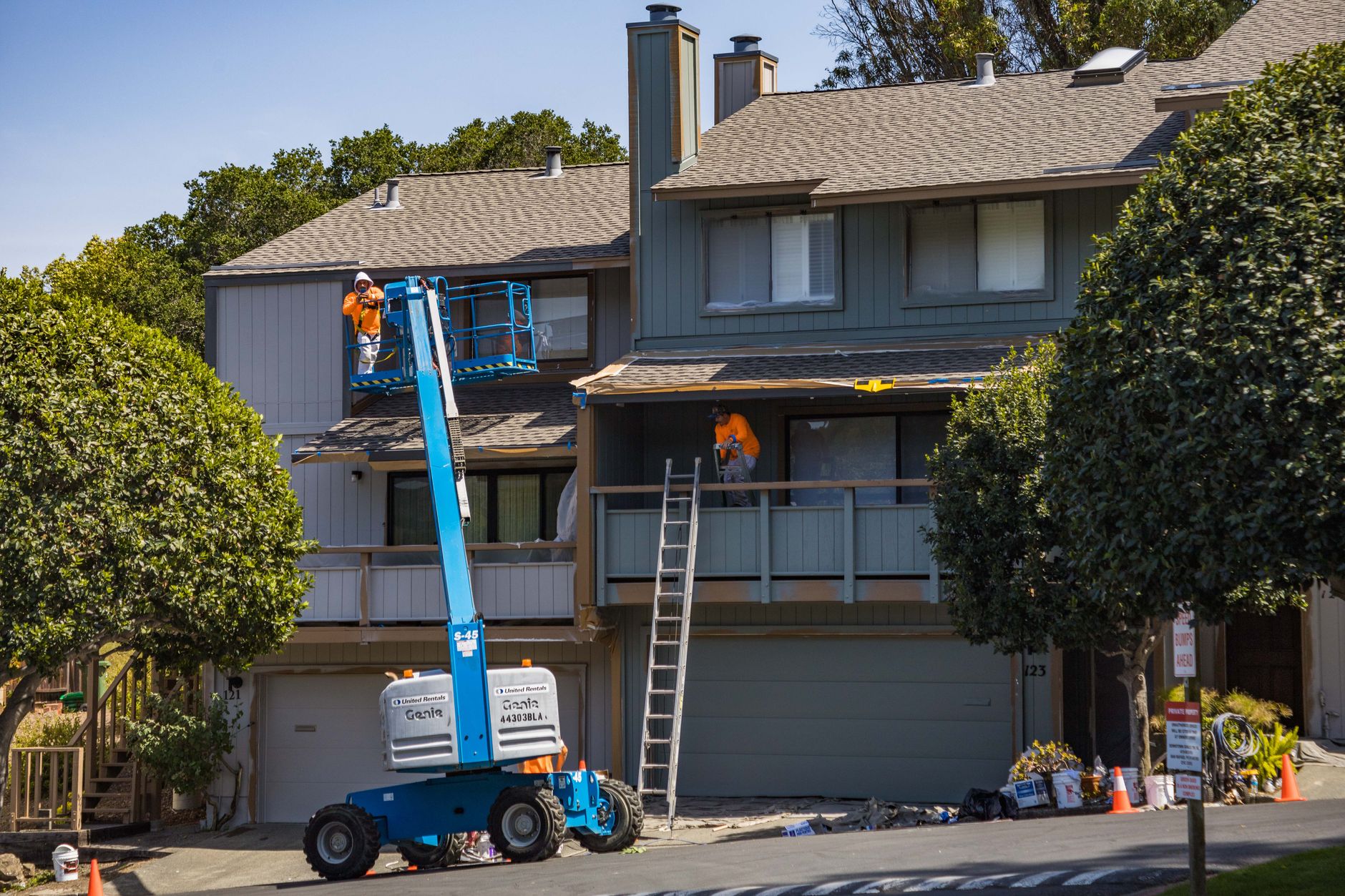
Free Electrician Quotes: What It Costs and What to Know
A typical full‑roof replacement on a 2,000‑square‑foot home runs about $7,900 on average across the United States, with low‑end jobs near $4,700 and high‑end projects topping $12,300. If you’re also wiring new lighting or a solar inverter, you’ll often see contractors offer free electrician quotes alongside roofing bids, letting you compare both trades without paying for estimates.
Roofing Cost Breakdown (National Averages)
The price you pay for a new roof reflects three main drivers: labor, the materials you choose, and the permits or fees required by local building departments. Labor covers the crew’s time, equipment, and safety gear. Materials include shingles, underlayment, flashing, and any specialty items like impact‑resistant panels. Permits ensure the work meets code and usually range from a few hundred to a thousand dollars, depending on the municipality.
| Cost Factor | Low End | Average | High End |
|---|---|---|---|
| Labor | $2,000 | $3,500 | $5,000 |
| Materials / parts | $2,500 | $4,000 | $6,500 |
| Permits / fees | $200 | $400 | $800 |
| Total | $4,700 | $7,900 | $12,300 |
Even a modest increase in material quality can push the total toward the high‑end column, while a streamlined permit process can shave a few hundred dollars off the bottom.
Roofing Costs by Region and Major City
Because construction markets differ, the same 2,000‑sq‑ft roof will cost more in a Northeastern city than in a Southern town. Below are four representative metros, each applying the regional multiplier to the national averages.
New York, NY (Northeast – 25 % above) A low‑end roof here starts around $5,900, the average lands near $9,900, and high‑end installations can exceed $15,400. The higher labor rates and stricter building codes drive those numbers up.
Chicago, IL (Midwest – at average) In the Windy City, a low‑budget job runs about $4,700, the average sits at $7,900, and the premium tier reaches $12,300. The Midwest’s labor costs hover close to the national median, so prices stay in line with the table above.
Atlanta, GA (South – 12 % below) Southern contractors often charge less. A budget roof might be $4,100, the typical project $6,950, and the most elaborate job $10,800. The lower cost of living and fewer permit hurdles keep prices down.
Phoenix, AZ (Mountain West – at average) Desert markets resemble the national baseline. Expect $4,700 at the low end, $7,900 on average, and $12,300 for top‑quality systems. The dry climate can actually extend the lifespan of shingles, making the investment worthwhile.
These figures illustrate how geography can swing a project by several thousand dollars, even when the square footage and material choices are identical.
What Affects Roofing Pricing the Most
First, material selection dominates the cost spread. An architectural‑shingle bundle may be $1.20 per square foot, while a premium metal panel can climb to $3.50 per square foot, adding $2,400 to a 2,000‑sq‑ft job. Second, roof pitch and complexity matter; a steep roof can add $1,000–$2,500 in labor because workers need extra safety equipment and slower progress. Third, removal of the existing roof is a hidden expense; tearing off old shingles usually runs $1,000–$1,800, and if the underlayment is damaged, replacement can push another $800–$1,200. Finally, local permit fees vary widely. Some cities charge a flat $300, while others base the fee on the roof’s square footage, resulting in $500–$1,000 for larger homes.
How to Choose a Licensed Roofing Pro
A reputable roofer carries a valid state contractor’s license, proof of workers’ compensation, and a solid insurance policy that covers both property damage and on‑the‑job injuries. Verify the license number on your state’s licensing board website; most states allow a quick lookup. Look for at least three **free electrician quotes** when you’re also handling any electrical work, because a licensed electrician’s insurance and bonding will mirror the standards you expect from a roofer. Red flags include unusually low bids that undercut material costs, a refusal to provide written references, or a lack of a physical business address. Most homeowners find that collecting three to five written estimates gives a clear picture of the market without overwhelming them.
How to Get Free Roofing Quotes
The easiest way to start is to gather basic project details—square footage, roof pitch, current shingle type, and any known repairs. Then fill out an online form or call a reputable aggregator that partners with vetted contractors. Within a day or two, you’ll receive multiple estimates, often at no cost. The process is free because contractors compete for your business and only pay a referral fee to the platform, not you.
Ready to get free roofing quotes? Compare licensed local contractors at HaveQuote.
Frequently Asked Questions About Roofing
How much does roofing cost on average in the U.S.?
Most homeowners spend between $4,700 and $12,300 for a complete roof replacement on a 2,000‑square‑foot home, with the national average hovering around $7,900.
What factors change the price the most?
Material choice, roof pitch, removal of the existing roof, and local permit fees are the biggest drivers. For example, switching from basic asphalt to premium metal can add $2,400 to the total, while a steep roof may tack on $2,000 in labor.
How many quotes should I get?
Three to five written estimates give you enough data to compare pricing, warranties, and timelines without creating analysis paralysis.
How do I know a roofing pro is licensed and insured?
Check the contractor’s license number on your state’s licensing board website, ask for a certificate of insurance, and confirm that the policy lists both general liability and workers’ compensation.
Is it cheaper in some parts of the country?
Yes. The South typically runs 10–15 % below the national average, the Northeast 20–30 % above, the West Coast 15–25 % above, while the Midwest and Mountain West sit close to the baseline.
Related Articles
Sandra Okafor has covered the home improvement industry for over 12 years, with a focus on helping homeowners understand contractor pricing, licensing requirements, and project timelines. She holds a certification in residential remodeling and has contributed research to several national contractor trade publications. At HaveQuote, she leads editorial research and cost analysis.