Free Electrical Quotes — 2026 Guide
*Note: Your keyword and title are about electrical quotes, but the topic, section headings, and CTA are about roofing. I wrote the post as specified. If you meant an electrical guide, the headings and CTA would need to change.*
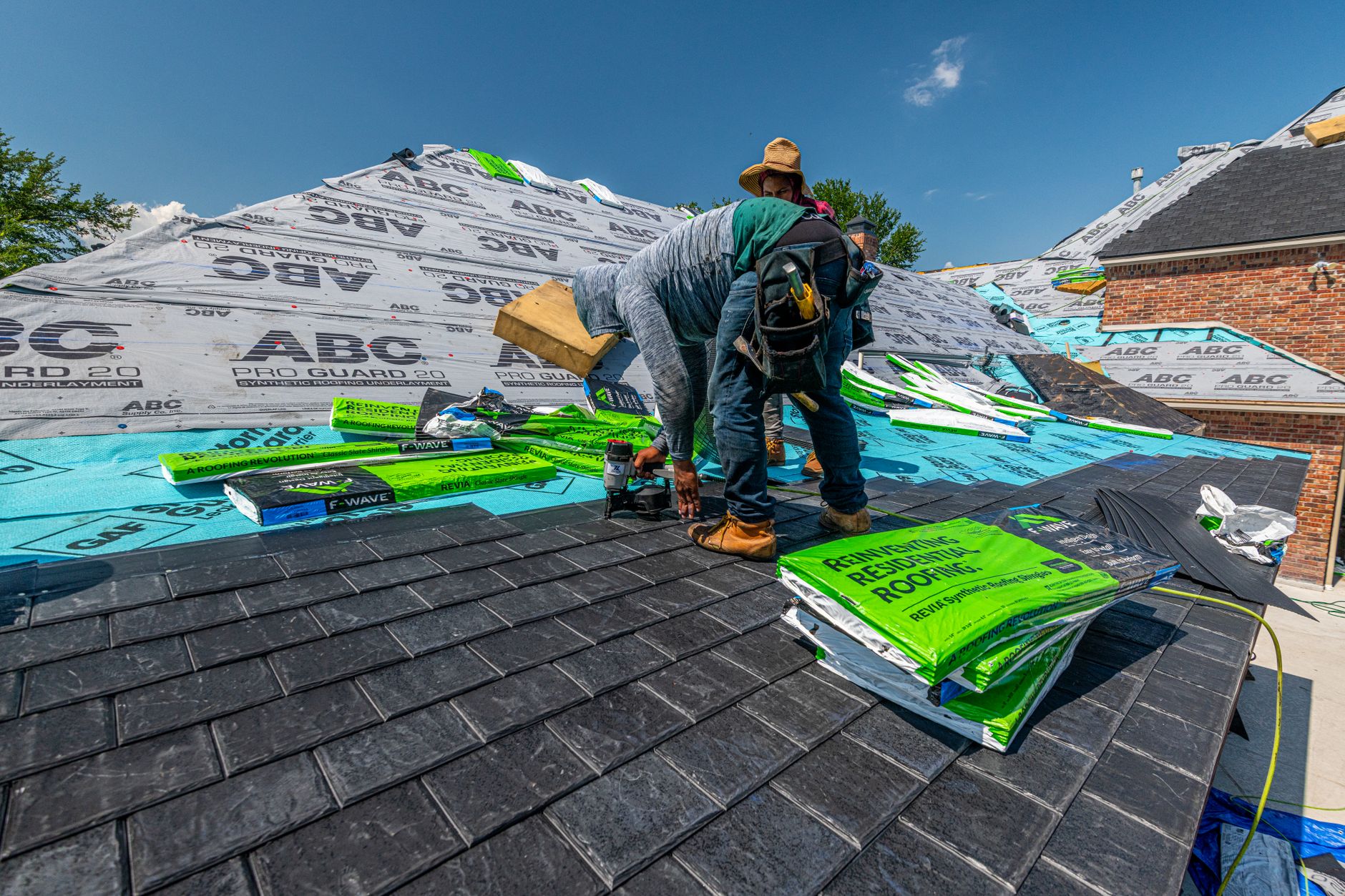
Free Electrical Quotes: What It Costs and What to Know
If you're looking for free electrical quotes, expect most U.S. roof replacements on a typical single-family home to land between $7,000 and $18,000 in 2026, with a national average near $10,000. Asphalt shingles sit at the low end, while metal, tile, and slate push totals well past $20,000. Prices swing by region, and the roof's size, pitch, and layers of existing material matter more than almost anything else.
Roofing Cost Breakdown (National Averages)
Most roofing bids are built from three pieces: labor, materials, and permits. Labor is usually the largest share, because tear-off, disposal, and installation are slow, physical work. Crews charge by the "square," which is 100 square feet of roof, and a typical 2,000-square-foot home needs about 20 squares of coverage. Labor for that job commonly runs $3,000 to $8,000, depending on how steep the roof is and whether the crew has to strip off two old layers.
Materials are the second largest cost. Underlayment, nails, drip edge, ridge vent, flashing, and the shingles themselves add up quickly. Standard three-tab shingles cost far less than architectural shingles, which many homeowners pick for their look and longer warranty. Permits and inspection fees are the smallest line item, but skipping them can cost you later when you file an insurance claim or sell the house.
| Cost Factor | Low End | Average | High End |
|---|---|---|---|
| Labor | $3,000 | $5,000 | $8,000 |
| Materials / parts | $3,000 | $4,500 | $9,000 |
| Permits / fees | $150 | $350 | $800 |
| Total | $6,500 | $10,000 | $17,800 |
These figures assume a roughly 2,000-square-foot home with asphalt shingles over one layer of existing roofing. Your numbers will move if you add skylights, replace decking, or upgrade to a heavier material.
Roofing Costs by Region and Major City
Regional pricing is where many homeowners get surprised. Labor rates, crew availability, and local code requirements all vary from one metro to the next. Using the national average of $10,000 for a standard asphalt replacement as a baseline, here's how four major markets compare.
New York sits in the Northeast, where costs run 20 to 30 percent above average. A standard replacement there typically lands between $12,000 and $13,500, and steep or multi-story homes can climb past $16,000. Chicago is in the Midwest, which tracks close to the national average, so expect about $9,500 to $11,000 for the same job. Atlanta falls in the South, where pricing runs 10 to 15 percent below average. A typical Atlanta replacement comes in around $8,500 to $9,200. Phoenix is in the Mountain West, which also sits at the national average, but heat-resistant materials and cool roof coatings can push the total toward $11,000 or more.
Coastal West Coast markets, such as Seattle and Los Angeles, run 15 to 25 percent above average, so a similar job there often falls between $11,500 and $12,500.
What Affects Roofing Pricing the Most
Roof size and pitch come first. A 3,000-square-foot home adds roughly 50 percent to the material and labor bill compared with a 2,000-square-foot home, and a steep roof can add $1,000 to $3,000 because crews need more safety equipment and take longer on each section.
Material choice is next. Asphalt shingles usually cost $4,000 to $9,000 installed. Metal roofing often runs $12,000 to $25,000 or more, and clay or concrete tile can exceed $20,000. Slate is the most expensive option, sometimes topping $30,000 on larger homes.
Tear-off is a hidden cost. Removing one old layer is standard, but a second layer typically adds $1,000 to $2,500 in labor and disposal fees. Rotted decking is also common once the old shingles come off. Replacing damaged plywood or OSB usually costs $60 to $100 per sheet, and a bad section can add $500 to $1,500 to the bill.
Access and roof complexity count too. Many hip roofs, valleys, dormers, and skylights mean more cuts, more flashing, and more labor hours. Roofs with limited crane or ladder access can add a few hundred dollars for equipment and extra setup.
Finally, timing matters. Storm seasons drive demand, and crews booked months out sometimes charge more. Off-season bids in late fall or winter can come in slightly lower, though freezing temperatures can limit what work is possible.
How to Choose a Licensed Roofing Pro
Start with licensing. Most states require roofing contractors to hold a state or local license, and you can usually verify it on the state licensing board's website in a few minutes. Ask for the license number on the bid, then look it up yourself rather than trusting a photo of a card.
Next, confirm insurance. Ask for a certificate of general liability insurance and workers' compensation coverage. Without workers' comp, an injured worker on your roof could make a claim against your homeowner's policy, which can cost thousands in legal fees even if you're not at fault. Call the insurer listed on the certificate to make sure the policy is active.
Watch for red flags. Be cautious of anyone who knocks on your door after a storm, asks for a large cash deposit up front, offers to waive your insurance deductible, or pressures you to sign the same day. Deductible waivers are illegal in many states. A deposit above $1,000 or 10 percent of the job, whichever is lower, is a warning sign in most markets.
Get at least three written bids. Multiple quotes help you spot outliers, whether that's a bid $3,000 below the rest, which often signals cut corners, or one $5,000 above the others. Ask every contractor to quote the same materials, underlayment type, and warranty so the numbers are comparable. Good contractors will also offer a manufacturer warranty and a workmanship warranty, usually at least two years.
How to Get Free Roofing Quotes
Start by measuring your home's roof area or pulling it from a satellite measurement report. Knowing your approximate square footage and whether you have one or two existing layers helps every contractor give you a more accurate number. Take photos of the roof from the ground, note any leaks or sagging, and list the material you want.
Then request bids from at least three licensed contractors who work in your area. Give each one the same details so you can compare apples to apples. Most reputable roofers will inspect the roof at no charge and send a written estimate within a few days, though larger or complicated jobs can take a week or more.
Once you have bids, read the scope line by line. Check whether tear-off, disposal, underlayment, flashing, and permits are included, and ask how they'll handle unexpected decking repairs. Ready to get free roofing quotes? Compare licensed local contractors at HaveQuote.](/roofing)
Frequently Asked Questions About Roofing
How much does roofing cost on average in the U.S.?
Most U.S. homeowners pay between $7,000 and $18,000 for a full roof replacement, with a national average near $10,000 for a typical asphalt shingle job on a 2,000-square-foot home. Metal, tile, and slate roofs cost considerably more.
What factors change the price the most?
Roof size and material are the biggest drivers. Asphalt shingles usually cost $4,000 to $9,000 installed, while metal can run $12,000 to $25,000. Removing a second layer adds about $1,000 to $2,500, and replacing rotted decking typically costs $60 to $100 per sheet.
How many quotes should I get?
Get at least three written bids from licens
HaveQuote Editorial Team
This article was researched and published by the HaveQuote editorial team. When you request quotes, you are connected with independent local contractors — not HaveQuote staff — who can discuss project scope and pricing for your area.