Cost to Install Hardie Board Siding — 2026 Guide
Cost to Install Hardie Board Siding: What It Costs and What to Know
The cost to install Hardie board siding typically falls between $18,000 and $43,000 for an average 2,000-square-foot U.S. home, with most installed projects landing near $27,500. Fiber cement siding usually runs $10 to $22 per square foot installed, and the final number depends on your home's size, trim, labor rates, and where you live.
That's the short answer. The rest of this guide breaks down what drives those numbers, how prices shift across the country, and how to get quotes that actually compare.
Siding Cost Breakdown (National Averages)
Hardie board is fiber cement, a mix of cement, sand, and cellulose fibers that resists rot, insects, and fire far better than vinyl or wood. That performance comes with a higher price tag, and most of the premium shows up in two places: the material itself and the skilled labor needed to cut, fasten, and finish it. Fiber cement is heavy and dusty, so crews need specific tools, a respirator-grade dust plan, and the patience to hang every board to manufacturer spacing requirements. Installers who skip those steps create callbacks, so good crews charge for the care.
Industry cost guides such as Angi's siding cost overview put installed fiber cement somewhere around $10 to $22 per square foot once labor and materials are included. Manufacturer specifications from James Hardie set the installation standards that drive labor time, including nailing patterns, clearances, and flashing details. The table below uses those ranges applied to a typical 2,000-square-foot home with about 1,800 square feet of wall area to siding.
| Cost Factor | Low End | Average | High End |
|---|---|---|---|
| Labor | $8,000 | $13,000 | $20,000 |
| Materials / parts | $10,000 | $14,000 | $22,000 |
| Permits / fees | $200 | $500 | $1,500 |
| Total | $18,200 | $27,500 | $43,500 |
Labor is the biggest swing factor. Crew rates depend on local wage levels, and the U.S. Bureau of Labor Statistics tracks construction trade wages that feed directly into contractor bids. Materials include the boards, trim, starter strips, house wrap or weather barrier, flashing, caulk, paint or primer, and fasteners. Permits are often the smallest line item, but they can climb if your jurisdiction requires plan review or multiple inspections. Expect the low end of the table if you have a simple single-story rectangle with few windows, and expect the high end if your home has multiple stories, steep gables, and lots of corners.
Siding Costs by Region and Major City
Regional pricing is where many homeowners get surprised. Labor markets, material transport costs, and local permit rules all vary, and the spread can be wide. Using the national average of roughly $27,500 for a typical installed job as the baseline, here's how four major metros compare.
New York sits in the Northeast, where installed costs run about 20 to 30 percent above the national average. Applying a 25 percent premium, a typical Hardie job there lands near $36,000. Expect the highest labor rates and the longest permit timelines in this group.
Seattle represents the West Coast, where prices typically run 15 to 25 percent above average. A 20 percent premium puts a comparable project near $34,600. Rain-season scheduling and tighter moisture-control expectations can add a little more.
Chicago is in the Midwest, which tracks close to the national average. A comparable job there runs about $27,500 to $28,800 depending on the contractor and the home's complexity. Freeze-thaw conditions make proper flashing and caulking important, and good crews price that in.
Atlanta falls in the South, where installed costs commonly run 10 to 15 percent below the national average. An 12 percent discount brings the same project to roughly $24,200 to $25,300. Lower labor rates help, though humidity makes moisture barrier details non-negotiable.
Phoenix represents the Mountain West and Southwest, which sit at about average. Expect something close to $27,500 to $28,800 for a comparable home. Intense UV exposure makes paint quality and finish warranties worth paying attention to.
These figures are planning estimates built from the national average and regional multipliers. Your actual bid will depend on your specific house, your contractor's overhead, and current material pricing.
What Affects Siding Pricing the Most
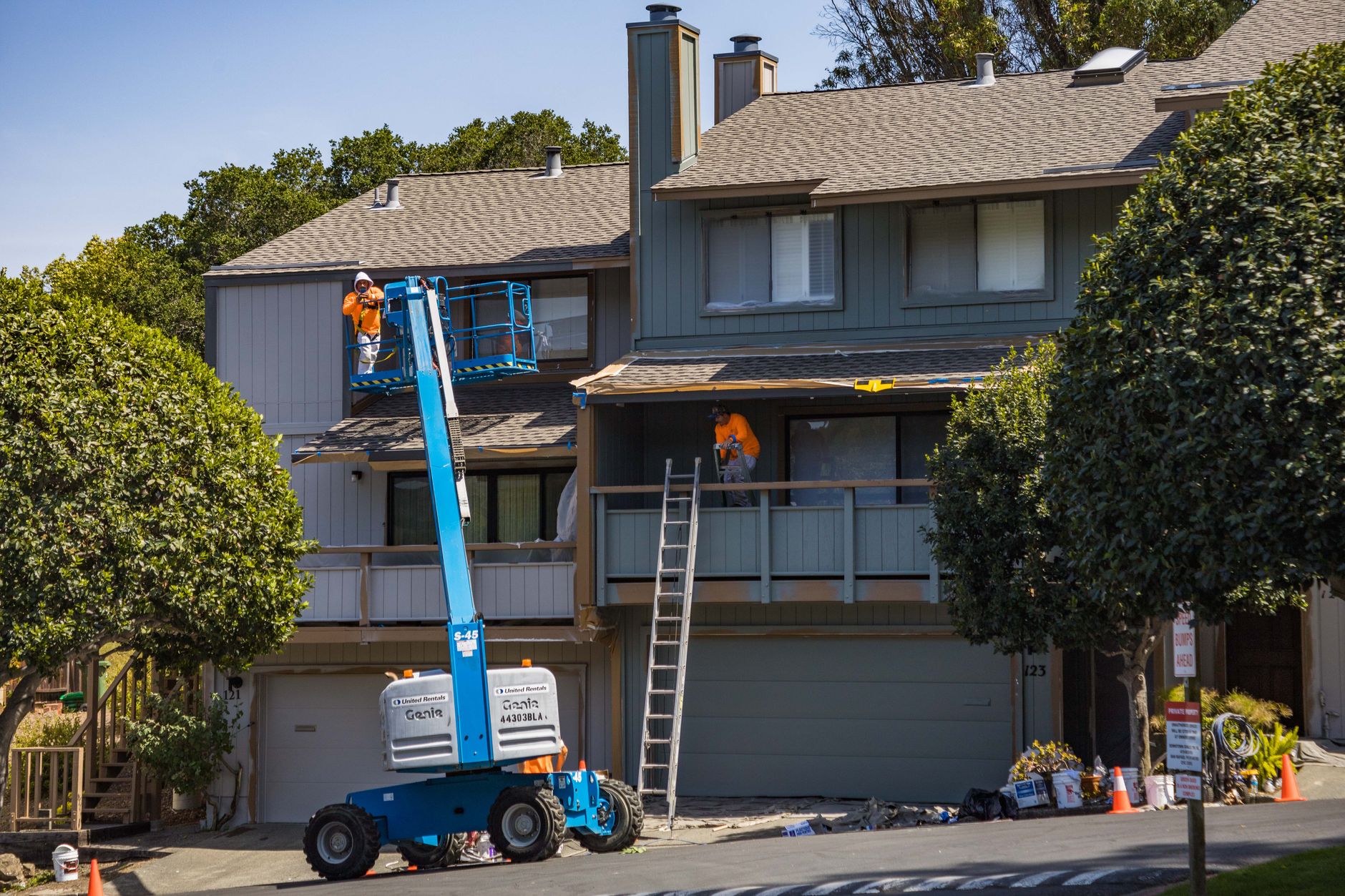
Home size and wall area drive the base cost. Every additional 500 square feet of siding typically adds $5,000 to $11,000 to an installed Hardie project, based on the per-square-foot range above. A two-story home with the same footprint as a ranch can cost noticeably more, because scaffolding or lift rental often adds $1,000 to $3,000 and crews work more slowly at height.
Architectural complexity is the next major factor. Dormers, gables, bump-outs, and multiple rooflines mean more cuts and more flashing. Plan on several thousand dollars extra for a home with lots of corners
HaveQuote Editorial Team
This article was researched and published by the HaveQuote editorial team. When you request quotes, you are connected with independent local contractors — not HaveQuote staff — who can discuss project scope and pricing for your area.