Air Conditioner Cost — 2026 Guide
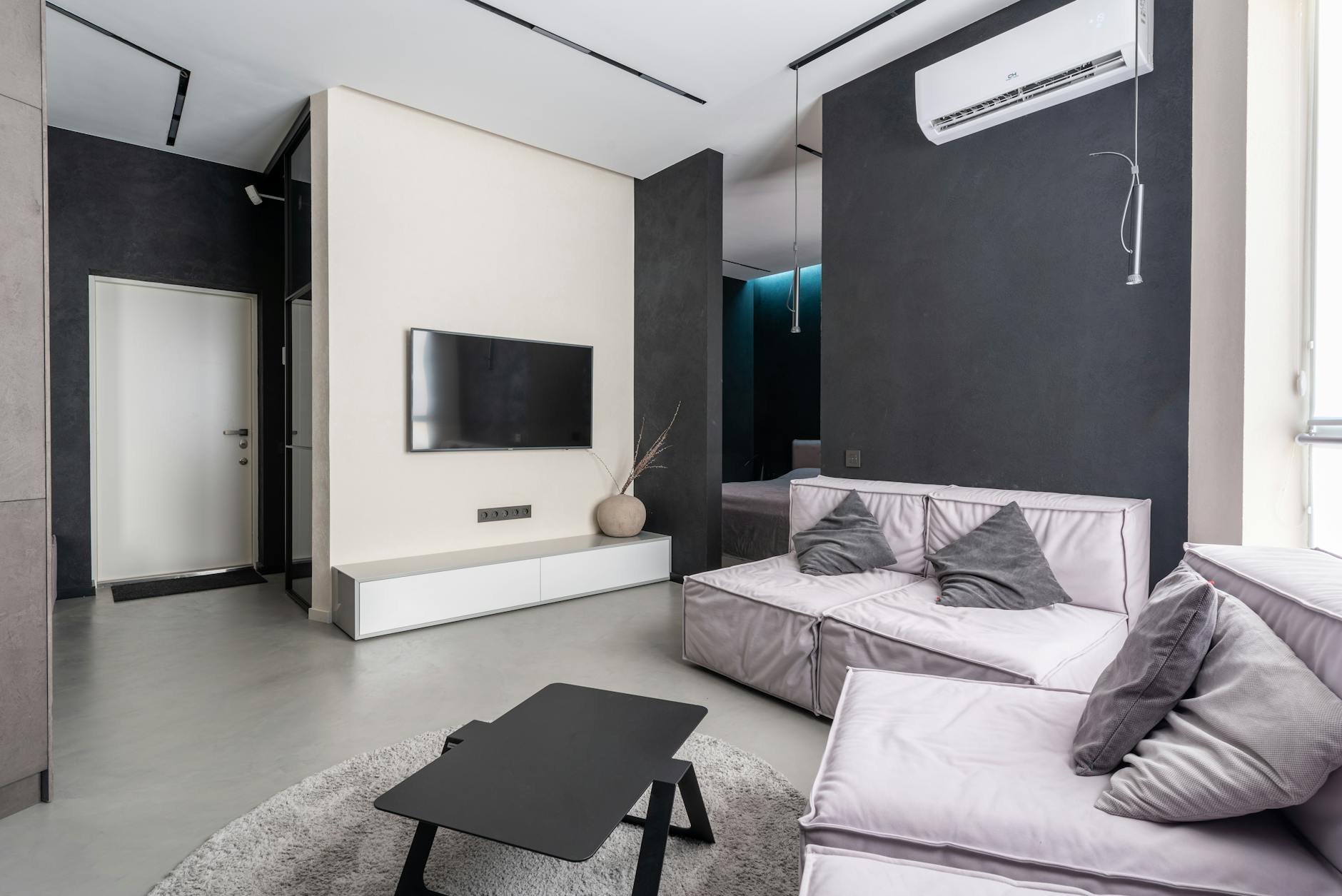
Air Conditioner Cost: What It Costs and What to Know
In 2025 the typical homeowner spent about $5,500 on a new central air conditioner, and the price range today stretches from $3,200 for a basic split‑system to $12,000 for a high‑efficiency model with advanced controls. That means the air conditioner cost you’ll see on a quote depends on size, efficiency, and where you live. Most buyers spend between $4,000 and $8,000 for a complete installation, including labor and permits.
Air Conditioner Cost Breakdown (National Averages)
The price you pay is a mix of labor, parts, and local fees. Labor covers the time a licensed technician spends on removal, ductwork adjustments, and final testing. Materials include the unit itself, refrigerant, and any needed accessories such as thermostats or zone controllers. Many cities require permits, especially for larger systems, and those fees vary by municipality.
| Cost Factor | Low End | Average | High End |
|---|---|---|---|
| Labor | $800 | $1,200 | $2,000 |
| Materials / parts | $2,000 | $3,500 | $7,500 |
| Permits / fees | $150 | $300 | $600 |
| Total | $2,950 | $5,000 | $10,100 |
These numbers reflect a 3‑ton, 16‑SEER unit installed in a typical single‑family home. Smaller 1‑ton units for apartments can fall well below the low end, while oversized 5‑ton units with 20‑SEER efficiency push the high end.
Air Conditioner Costs by Region and Major City
Regional cost multipliers shift the national average up or down. The Northeast typically adds 20‑30 % because of higher labor rates and stricter building codes. The West Coast adds 15‑25 % for similar reasons, while the South is 10‑15 % cheaper thanks to lower labor costs and milder permitting requirements. The Midwest and Mountain West generally sit near the national average.
New York City, NY (Northeast): The average total bill is about $6,500, reflecting a 25 % premium over the national average. A high‑efficiency 4‑ton unit can climb to $9,800., Chicago, IL (Midwest): Homeowners typically pay $5,100, which aligns closely with the national average. A basic 3‑ton system usually lands around $4,200., Atlanta, GA (South): The cost drops to roughly $4,300, about 15 % below the national average. Even a premium 5‑ton unit stays under $8,000 here., and Los Angeles, CA (West Coast): Expect to spend near $6,200, a 20 % uplift. High‑efficiency models with smart thermostats can exceed $10,000..
These figures assume a standard residential installation. Commercial projects or historic homes can see very different numbers.
What Affects Air Conditioner Pricing the Most
The biggest driver is the unit’s SEER rating. Moving from a 13‑SEER to a 20‑SEER unit can add $2,000 to $3,000 in material costs alone. Size matters too; every ton of cooling capacity adds roughly $1,000 to the equipment price. Ductwork modifications are another common expense. If your existing ducts are leaky or undersized, a contractor may recommend sealing or expanding them, which can add $800 to $1,500. Finally, local labor rates and permit fees can swing the total by several hundred dollars.
How to Choose a Licensed Air Conditioner Pro
Start by confirming the contractor holds a valid HVAC license in their state and carries workers’ compensation insurance. Ask for proof of liability coverage; a reputable pro will provide a certificate without hesitation. Look for certifications from organizations such as NATE (North American Technician Excellence) or the ACCA (Air Conditioning Contractors of America). Those credentials signal that the technician has passed rigorous exams and stays current on industry standards.
Never sign a contract that doesn’t list a clear scope of work, total price, and payment schedule. A trustworthy pro will break down labor, materials, and any permit costs in writing. Getting at least three written estimates lets you compare not only price but also warranty terms and installation timelines. If a quote seems unusually low, ask what’s excluded; hidden fees often surface later.
How to Get Free Air Conditioner Quotes
The quickest way to collect multiple offers is to use an online quoting platform. Enter your zip code, the size of your home, and any preferences for efficiency or brand. The system matches you with licensed contractors in your area who then send personalized estimates, usually within 24 hours.
Once you have the quotes, compare total cost, warranty length, and the reputation of each contractor. Don’t focus solely on the bottom line; a slightly higher price from a well‑reviewed pro can save you money in the long run by avoiding premature repairs.
Ready to get free air conditioner quotes? Compare licensed local contractors at HaveQuote.
Frequently Asked Questions About Air Conditioner
How much does air conditioner cost on average in the U.S.?
The typical range sits between $4,000 and $8,000 for a full residential installation, with the national average hovering around $5,000.
What factors change the price the most?
The unit’s SEER rating, tonnage, and any required ductwork work are the biggest variables. A high‑efficiency 5‑ton system can add $3,000 to $4,000 compared with a basic 3‑ton model.
How many quotes should I get?
Aim for at least three written estimates. That gives you enough data to spot outliers and negotiate a fair price.
How do I know a air conditioner pro is licensed and insured?
Ask to see a copy of their state HVAC license and a certificate of liability insurance. Look for additional certifications from NATE or ACCA as a sign of professionalism.
Is it cheaper in some parts of the country?
Yes. The South generally runs 10‑15 % below the national average, while the Northeast and West Coast can be 20‑30 % higher because of labor and permitting costs.
Related Articles
James Whitfield has spent 18 years in residential construction and home improvement across Texas, Florida, and California. A licensed general contractor, he managed large-scale roofing and HVAC installation projects before joining HaveQuote to help homeowners make smarter decisions about contractors and costs. His work has helped thousands of families avoid overpaying for home services.